
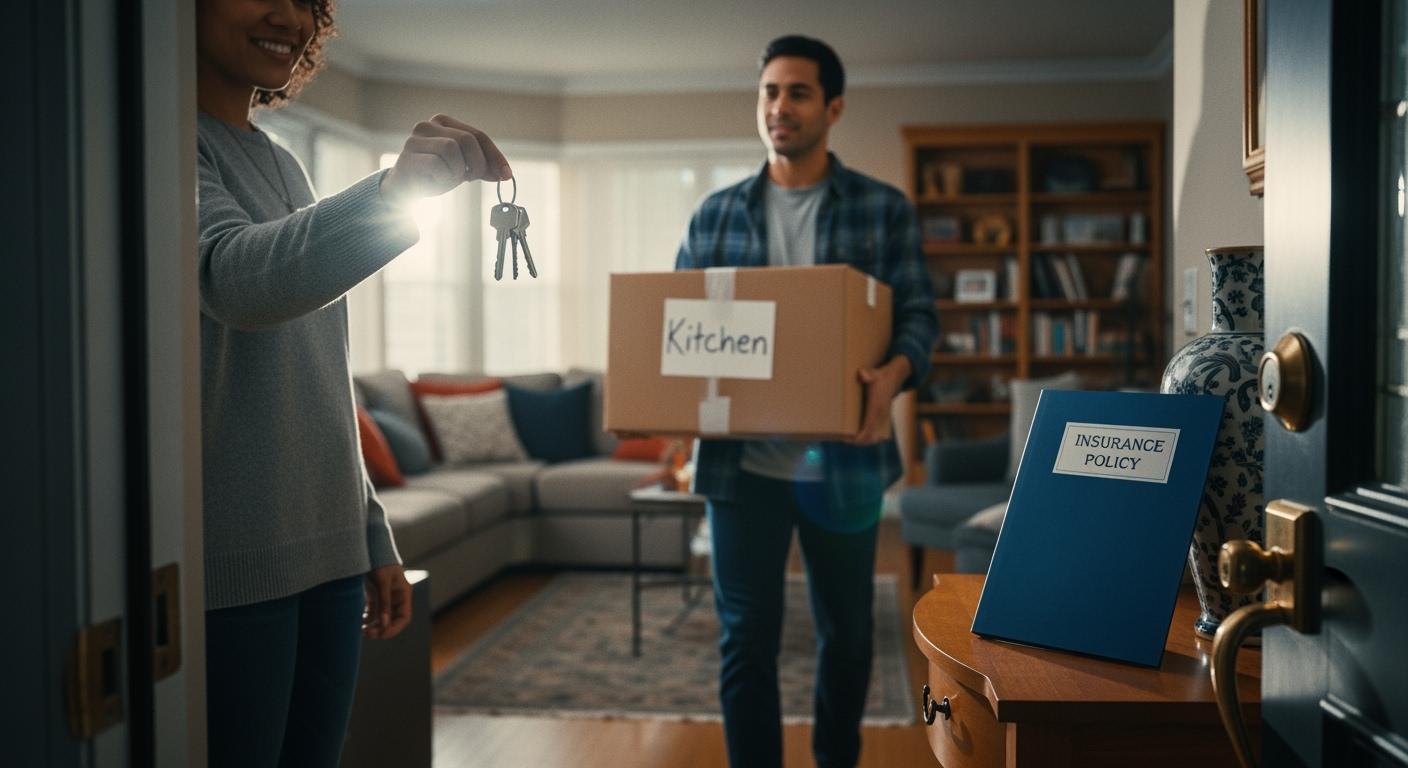
Did you know that insurance when someone moves in with you doesn’t automatically update to include your new household member? Many homeowners assume their home, auto, or umbrella policies will cover a new partner or roommate, but this isn’t always the case. If you’re living on the South Carolina coast or in the Lowcountry, understanding these details is especially important. To avoid unexpected gaps in coverage, it’s wise to request a personalized insurance review and make sure your protection fits your current situation.
Key Takeaways
Look at your home insurance before someone moves in. Know who counts as a ‘household member’ so you do not miss coverage.
Change your auto insurance when someone new lives with you. Add all licensed drivers in your home so your claims work.
Think about renters insurance for roommates or partners not on your homeowners policy. This keeps their things and liability safe.
Check your umbrella policy when a new person moves in. Make sure it covers everyone living there and their risks so you are not surprised.
Talk to GSP Insurance Group for a special insurance review. They can help you change your coverage for your new living setup.
Home Insurance When Someone Moves In

Who Is Covered Under Your Policy
You might think insurance when someone moves in will cover everyone living with you. But this is not always true. Most home insurance policies say exactly who counts as a “household member.” This can be different depending on your insurance company and where you live.
Here’s what is usually included:
The person named on the policy (the “named insured”)
The spouse of the named insured, if they live in the home
Relatives who live with you (by blood, marriage, or adoption)
Children or minors you care for, including foster children
If someone moves in who is not your spouse or a relative, your policy might not cover them. Their things and personal liability may not be protected by your homeowners policy. You should check your policy or talk to your insurance agent to see who is covered.
Tip: Always look at your policy’s meaning of “household member” before someone new moves in. This helps you avoid problems if you need to file a claim.
Personal Property and Liability Changes
When a new adult moves in, your insurance needs can change. They may bring their own furniture, electronics, and other valuables. Your home insurance might not cover these new things unless you update your coverage.
Here’s what might change:
You may need more personal property coverage to protect everyone’s things.
Liability risk can go up. If your new housemate has guests or pets, there is a bigger chance of accidents or injuries at your home.
Some insurance companies may ask you to update your policy or add endorsements for new risks.
If you make changes to your home, like adding ramps or grab bars for an elderly relative, tell your insurance company. These changes can affect your home’s value and your coverage.
Note: Always tell your insurance agent when your household changes. This makes sure your policy fits your real-life situation.
Married vs. Unmarried Partners and Roommates
Home insurance companies do not treat all living situations the same. How your policy works depends on your relationship with the person moving in.
Here is a quick look at how coverage can be different:
Living Situation | What Usually Happens with Coverage |
|---|---|
Married couples or both on the deed | Both people are usually covered under the home insurance policy. |
Only one partner on the deed | The partner not on the deed may not be covered. Their things and liability may need extra steps. |
Unmarried partners without joint deed | The partner is often seen as a guest. Their property and liability are not covered unless added. |
Roommates | Roommates are not covered by your homeowners policy. They should get their own renters insurance. |
If you are married or both own the home, you usually have the same protection as any family. If only one person owns the home, the other person’s things and liability are not covered automatically. You can ask your insurance company about adding your partner to the policy or having them get renters insurance.
Roommates are different. Home insurance does not cover roommates’ things or liability. Each roommate should get their own renters insurance to protect their stuff and cover personal liability.
Insurance companies follow state laws, so coverage for domestic partners can be different.
Some insurance companies offer endorsements for unmarried partners, but not all do.
It is smart to ask your agent if your policy can be changed to include your partner or roommate.
Tip: If you are not sure what your policy covers, contact GSP Insurance Group. They can help you look at your options and make sure everyone in your home has the right protection.
Auto Insurance and Moving In With Someone
Unlisted Drivers and Coverage Risks
When you think about insurance when someone moves in, you might focus on your home. But your auto insurance can change, too. If someone new starts living with you, your insurance company may expect you to list them on your auto policy—even if they don’t drive your car often.
Why does this matter? If you don’t list all drivers in your household, your insurance coverage may not work as you expect. Many claims get denied because an unlisted driver was behind the wheel. Insurance companies look at everyone who lives with you, not just who owns the car.
Here’s why unlisted drivers are a common issue:
Most auto policies ask you to list all licensed drivers in your home.
If you leave someone off, your insurer may see this as a risk.
If that person drives your car and has an accident, your claim could face delays or even denial.
Moving in with someone can change your risk profile. Marital status can affect your premium, too. Studies show that married drivers tend to file fewer claims than unmarried drivers. Insurers may see you as a safer driver if you have a partner or children in your household.
Tip: Always tell your insurance agent when your household changes. This helps you avoid surprises if you need to file a claim.
When to Add a New Resident to Your Policy
You should review your auto policy any time your household changes. If a partner, spouse, or roommate moves in, ask your agent if you need to add them as a driver. Even if they have their own car and renters insurance, your insurer may still want to know about them.
Here’s a quick checklist for what to do:
Situation | What You Should Do |
|---|---|
New partner or spouse moves in | Ask if you need to add them as a driver |
Roommate moves in | Check if they need to be listed |
Adult child returns home | Update your policy with their info |
If your new housemate has their own auto policy, your agent can help you decide what works best. Sometimes, you both need to update your policies. Remember, renters insurance does not cover auto accidents or liability from driving.
Auto insurance does not update automatically when your living situation changes. A quick call to your agent can help you keep your coverage up to date and avoid headaches later.
This is a common question for homeowners in Bluffton, Hilton Head, and across the South Carolina Lowcountry, especially when couples move in together or family members join the household.
Increased Liability and Umbrella Policy Gaps

How Liability Exposure Changes
When someone moves in, you might think about more stuff in your house or a new car outside. But your risk for accidents can also go up. If another adult lives with you, there are more chances for accidents or injuries. Your new housemate might have friends over. Maybe your partner’s dog runs away. These things can cause claims on your homeowners or umbrella insurance.
Umbrella insurance helps protect you from big lawsuits and claims. It covers things your home or auto insurance might not. But umbrella policies have limits. They may not cover adult children or parents who live with you if those people have their own auto or renters insurance. For example, if your college-age child has renters insurance for their apartment, your umbrella policy might not help if something happens at home.
Your umbrella policy does not cover people in your home who have their own auto or other insurance. For example, it will not cover adult children or parents living with you if they have their own auto insurance.
Umbrella Policy Limits and Updates
When someone moves in, your household changes in ways you might not expect. You may need to update your umbrella policy. Here are some good steps to keep your coverage strong:
List everyone living with you on your home and auto insurance.
Tell your insurance company right away if someone moves in or out.
Ask about special endorsements if you have college students or many generations living together.
Make sure your basic coverage meets your insurance company’s rules.
Check your policies every year to make sure your coverage is right.
Umbrella insurance does not cover business activities and does not always update when your household changes. If you have a new partner or roommate, talk to your agent about what you need. Roommates and adult children should have renters insurance because umbrella policies may not cover their things or liability.
Tip: Insurance does not update by itself when someone moves in. A quick talk with your agent can help you avoid problems and keep everyone safe.
Proactive Steps for Insurance When Someone Moves In
Reviewing Policies With GSP Insurance Group
It is important to check your insurance when someone moves in. Your insurance will not change by itself. GSP Insurance Group can help you look at your policies. They help you find problems before they happen. They check your home, your risks, and what you need. You get advice that fits your life, not just a basic answer.
Here’s a simple checklist to help you review:
Checklist Item | Description |
|---|---|
Property Value | Change your coverage if your home is worth more now. |
New Location | Update for new risks or different home values in your area. |
Home Renovations | Make sure your policy covers any changes or upgrades. |
Significant Purchases | Add coverage for new things like jewelry or electronics. |
Replacement Value vs. Cash | Check if you have enough to buy new things, not just get cash for old ones. |
Umbrella Insurance | Think about extra protection for new risks. |
Discounts | Ask about savings for security updates or combining policies. |
GSP Insurance Group makes your review fit your needs. They look at fire, your things, and liability. You get a plan that matches your home and your life.
When a New Resident Needs Their Own Policy
Sometimes, the new person needs their own insurance. If they have their own address or own a car, they should get their own policy. This keeps everyone’s coverage clear and avoids mix-ups if there is a claim. Renters insurance is smart for roommates, adult kids, or anyone not covered by your homeowners insurance.
People often forget renters insurance or buy too little. Make sure everyone in your home has the right protection.
Special Scenarios: Family, Partners, Roommates
Insurance needs change based on who moves in. Here’s a quick look:
Living Arrangement | Insurance Requirement | Notes |
|---|---|---|
Roommates | In many cases, each person benefits from having their own renters insurance. | This helps protect each person’s belongings and personal liability. |
Family Members | In some situations, siblings or other family members may be able to share renters insurance. | Some insurers allow this, but eligibility depends on the relationship and living arrangement. |
Unmarried Partners | Unmarried partners may be able to share a policy, but separate policies often provide clearer protection for personal property and liability. | Separate coverage can reduce confusion if a claim involves only one person’s belongings. |
Students | Many students benefit from having their own renters insurance, especially if they move frequently or live away from home. | Frequent moves and separate residences can make shared policies more complicated. |
You can avoid problems by talking with GSP Insurance Group. They help you learn your choices and make sure your insurance fits your life.
Tip: Insurance does not change by itself. Check your coverage before someone moves in to keep your home and everyone safe.
When someone moves in, your insurance does not change by itself. If you don’t review your policy when someone moves in, you may face unexpected coverage issues later. In some situations, claims can be delayed or coverage may not apply as expected. A quick review ahead of time helps avoid surprises. You might have to pay for damages if your coverage is too low. Your home’s value may have changed, so your limits might not be enough. Checking your insurance often helps you avoid these issues. It keeps your home and things safe.
How to Reach GSP Insurance Group | Link |
|---|---|
Contact for a Review | |
Request a Personalized Quote |
Talk with GSP Insurance Group for a proactive coverage review before questions or gaps arise. A short conversation now can help make sure your insurance fits your current living situation.
FAQ
What happens to my home insurance when someone moves in?
Your home insurance does not always cover new people. You should look at your policy and talk to your agent. Who is covered depends on your relationship and the words in your policy.
What should I do if my partner or roommate brings valuable items?
Check if your policy protects their things. Sometimes, you need more coverage for personal property. Your partner or roommate may need renters insurance for their stuff.
What if my new housemate drives my car?
You might need to add them to your auto policy. Most insurance companies want to know about all drivers in your home. If you do not list them, you could have problems if there is an accident.
What is an umbrella policy, and do I need to update it?
An umbrella policy gives extra protection for liability. If someone new moves in, you may need to change your policy. This helps make sure everyone in your home has enough coverage.
What steps should I take before someone moves in?
Look at your home, auto, and umbrella policies.
Talk with your insurance agent.
Make sure everyone’s things and liability are covered.
Ask GSP Insurance Group for a review just for you.