
Quick Summary
This article explains when to contact your insurance agent before filing a claim, highlighting the benefits of getting advice early to make informed decisions. It emphasizes checking your deductible and recent claims history to avoid unnecessary claims that could increase your rates. The article also clarifies the difference between reporting an incident and officially filing a claim.
Key Takeaways:
- Call your insurance agent if you’re unsure whether to file a claim; they can guide you on the best course of action.
- Review your deductible and repair costs before filing a claim to determine if the claim is financially worthwhile.
- Consider your recent claims history, as multiple claims in a short period can raise your insurance rates or affect coverage eligibility.
- Understand that reporting an incident to your agent allows you to seek advice without immediately starting a claim.

You see a small water spot on your ceiling after rain. Maybe a tree branch falls in your yard. You might need to fix your car after a small crash. These things make you ask, When Should You Call Your Insurance Agent? (Before You File a Claim). A trusted local advisor in Bluffton can help you know your choices before you begin a repair.
Key Takeaways
Call your insurance agent if you do not know what to do about filing a claim. They can help you figure out if it is a good idea.
Look at your deductible and your recent claims before you file. This helps you avoid claims that could make your rates go up.
Know the difference between reporting an incident and filing a claim. Reporting lets you ask for advice without starting a claim.
When Should You Call Your Insurance Agent?
If you’re pausing and wondering whether something is ‘worth a claim,’ that’s usually the right time to make the call.
You might see a water stain on your ceiling after a heavy rain. Maybe a tree limb lands on your roof during a storm. You could back your vehicle into a fence, or someone bumps your car in a parking lot. These moments make you stop and think: when should you call your insurance agent? (before you file a claim). If you feel unsure, that is the best time to reach out.
Many people in Bluffton and the Lowcountry call their insurance agent before they file a claim. This is a smart move. You do not need to wait until you are certain. Your agent can help you decide if reporting an accident or loss makes sense for your situation. Calling your agent first is proactive. It helps you avoid mistakes and gives you peace of mind.
Tip: If you ever wonder, “Is this covered?” or “Will this affect my premium?”—pick up the phone. Your agent is here to help you make informed choices.
Before Filing a Claim: What to Consider
You should think about a few things before you file an insurance claim. Every situation is different, but these steps can help you decide what to do:
Check your deductible. If the cost to fix the damage is less than your deductible, filing a claim may not help. For example, if your deductible is $1,000 and the repair costs $500, you will pay out of pocket.
Think about your recent claims history. Filing several claims in a short time can raise your rates or make it harder to get coverage later. Even small claims for auto insurance or home insurance can have an impact.
Ask if you need professional help. Sometimes, the claims process can be confusing. Your agent can explain if you need a public adjuster or other support.
Understand the difference between reporting and filing. You can report a car accident or property damage to your agent without starting a formal claim. This lets you get advice before you decide.
When you call your agent, you get answers to questions like:
Will this loss be covered by my insurance?
How will this affect my premium or future insurability?
What paperwork or photos do I need to collect?
Is there a deadline for reporting an accident or damage?
If you want personal guidance, you can contact GSP Insurance Group for help. We are here to answer your questions and guide you through the process.
Uncertainty About Coverage or Deductibles
Many people feel confused about what their insurance covers. You might not know if a small leak, a water stain, or a minor fender bender is covered. You may not remember your deductible amount or your policy limits. This is common, especially during stressful times.
Here are some reasons people feel unsure about when should you call your insurance agent? (before you file a claim):
Not understanding what the policy covers.
Feeling confused about what documents are needed.
Worrying about missing deadlines for reporting an accident or loss.
Hearing different things from friends or online about insurance rules.
Feeling overwhelmed after a storm, leak, or auto accident.
A deductible is the amount you pay before your insurance helps. If you have a high deductible, you may decide not to file a claim for small losses. Policy limits are the most your insurance will pay for a claim. If your loss is bigger than your limit, you will pay the rest yourself. Knowing these details helps you make smart choices.
Remember, coverage and outcomes can change based on your policy and your insurance company. Your neighbor’s experience may not match yours. That is why calling your agent is so important. You get advice that fits your home, your vehicle, and your needs.
If you are ever unsure about when should you call your insurance agent? (before you file a claim), reach out. You do not have to figure it out alone. Your local agent knows the risks in Bluffton and the Lowcountry and can help you protect what matters most.
Call Your Insurance Agent: Common Situations
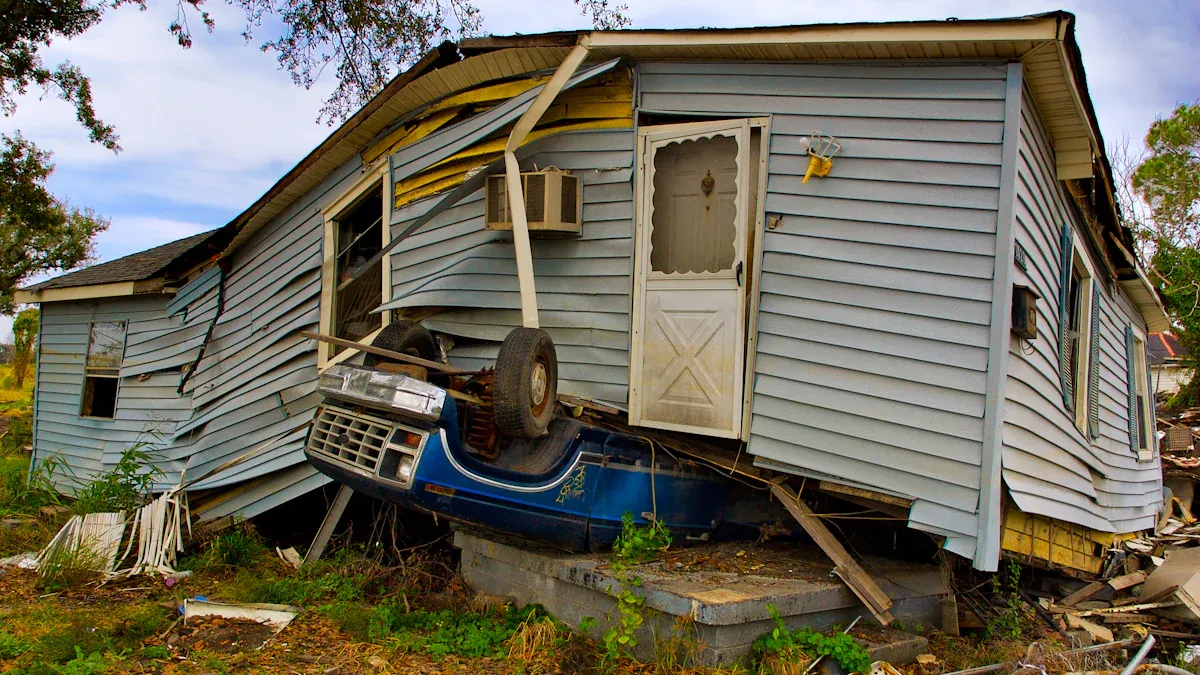
Property Damage in Bluffton Homes
You might see a small water spot on your ceiling after rain. Maybe you find a leak under your kitchen sink. Many Bluffton homes have crawlspaces, pipes outside, or old roofs. These things can make it hard to find damage early. If you notice wet spots, mold, or a tree branch on your house, call your insurance company. Your agent will tell you if your insurance helps and what to do next. Small problems can get worse if you ignore them. For more about water damage and plumbing, read our blog post on water damage sublimits.
Minor Auto Accidents and Small Losses
A little car accident in a Bluffton parking lot or a cracked windshield may not seem big. You might not know if you should call your insurance company or pay for repairs yourself. Your agent can explain how your insurance works for small problems and if making a claim could change your rates. Sometimes, telling your agent about a small accident helps you later. If you want to learn about common insurance mistakes, check out our guide to common insurance problems from small decisions.
Life Changes and Renovations
Some life events mean you should call your insurance company to check your insurance coverage. These include:
Getting married or divorced
Buying, renting, or moving to a new home
Buying a car
Starting a business, even at home
Doing home upgrades or renovations
Each change can affect what your policy covers. For example, a new roof or kitchen can make your home worth more. Your agent can help you change your insurance so you stay safe. If you have questions, contact GSP Insurance Group for help from someone local.
Insurance Agent Guidance: What to Expect
Explaining Coverage and Policy Limits
When you call your insurance agent, they help you understand your coverage and policy limits. Your agent will look at what you need and explain what your policy covers. Maybe you have a house in Bluffton with a crawlspace or a business close to the water. Your agent thinks about things like:
How much your home, car, or business is worth
Local dangers, like storms or flooding in the Lowcountry
Any laws that say you must have certain coverage
Changes if your property or business gets bigger
Your agent helps you see if your coverage fits your risks. You can ask questions about claims and get simple answers before you make a choice.
Reporting vs. Filing a Claim
You might not know the difference between reporting an incident and filing a claim. Here is a table to help you:
Term | Definition |
|---|---|
Incident | The first sign of a problem; you tell your agent what happened. |
Claim | A formal request for money or help from your insurance company. |
You should call your insurance agent if you see damage or have a question. Reporting does not mean you have to file a claim. Your agent can tell you what to do next.
What Your Agent Can and Cannot Do
Your agent can help you learn about your choices and what could happen if you file claims. They can:
Explain your coverage and limits
Give advice about local dangers
Help you collect papers and photos
Your agent can help you learn about choices and what could happen — but the insurance carrier makes the final decision about coverage and claims.
You should call your insurance agent before you file claims. This helps you avoid surprises and make smart choices for your home, car, or business.
Filing a Claim: Impact and Timing

Keeping Your Coverage Safe and Avoiding Problems
You want your insurance to help when you need it. Acting fast after damage or loss keeps your coverage safe. If you wait too long, you might have problems. Insurance companies want you to report losses in a certain time. If you miss this, your claim could be denied or you might get less money. Waiting also makes it harder to find proof, which can lower your payment.
Here are some reasons to act fast:
Reporting quickly helps you follow your policy rules.
Acting early lets your insurance company get details and talk to witnesses.
Taking pictures and writing things down right away can help your claim.
Rules for Telling Your Insurance and Giving Proof
Insurance companies in South Carolina have rules about when and how to report a loss. You need to show proof of what happened and what was damaged. This means taking pictures, saving receipts, and filling out forms. The table below shows some common rules:
Requirement | Details |
|---|---|
Documentation Deadline | You usually must give proof of loss within 60 days after your insurance company asks. |
Proof of Loss Forms | The insurance company must give you these forms within 20 days after you report the claim. |
Acknowledgment of Claim | The insurance company must answer you quickly after you tell them about your loss. |
Investigation Standards | The insurance company must check and settle claims using fair rules. |
If you do not give enough proof, your claim could be slowed down or denied. Take clear pictures and keep all your papers to help your claim.
When there is big damage, safety worries, or more loss, filing a claim fast is usually best.
Big things like a house fire, storm damage, or a car crash need quick action. You should file a claim right away. Waiting can make you more stressed and slow repairs. If you wait too long, you might lose benefits or your claim could be denied. If you are not sure, call your local agent for help. They can tell you what to do and how to show proof of your loss.
Tip: Try to get proof and send in your papers within a week or two after something happens. This helps you get the most money and keeps your claim moving.
Why Call Your Agent in the Lowcountry?
Local Risks: Moisture, Storms, and Construction
Bluffton and the Lowcountry have special risks. Tropical storms and hurricanes hit South Carolina a lot. Heavy rain and strong winds can hurt your home. Gutters that do not work well make things worse. Water from gutters can damage your foundation. It can also cause mold in crawlspaces. Flat land and many estuaries mean flooding happens more during storms. You need insurance that matches these risks.
Tip: Check your gutters and roof often to stop water damage. Your agent can help you with coverage for these problems.
Real-World Examples from Bluffton
After a storm, you might see water stains on your ceiling. A tree limb could fall on your roof. Older homes may leak in crawlspaces or pipes outside. If you see these problems, call your agent. They know local risks and can help you choose what to do. Agents in Bluffton understand hurricanes and flooding. They give advice that fits your home and needs.
Older Homes
Many Lowcountry homes have crawlspaces, outside plumbing, or building styles that make moisture problems hard to see until damage starts.
Older homes in Bluffton have special problems. Unique building styles and history change how insurance works. Some places do not have full city services. This can make repairs cost more. Flooding and drainage issues are common in low areas. Your agent helps you get ready for these risks. They explain how local rules affect claims.
Local agents know the area and give advice from real experience.
They help you find coverage for home, car, and flood risks.
You get help with repairs and claims, even if you need a place to stay.
To learn more about working with a local, independent agent, read our guide to independent agency benefits.
GSP Insurance Group makes long-term relationships with people in Bluffton and the Lowcountry. You get personal help and advice that fits your life.
Internal Links for Further Reading
Water Damage Sublimits and Plumbing Limits
Water damage can surprise people in Bluffton and the Lowcountry. Many insurance policies have rules about water damage or plumbing problems. You might think your insurance pays for every leak. But some policies only pay a little for slow leaks or old pipes. If you want to know more about these rules and how they change claims, read our blog post on water damage sublimits and plumbing limits.
Tip: Look at your policy to see what water damage it covers before you fix anything.
Common Insurance Problems from Small Decisions
Small choices can turn into big insurance problems. For example, if you ignore a small leak or do not tell your agent about a small car accident, your coverage could change later. You may not know that waiting to report damage can make your claim harder. Our guide to common insurance problems from small decisions shows how everyday choices can change your policy and claims.
Independent Agency Benefits
Picking an independent insurance agency gives you more choices and personal help. You get advice that fits you, not just a sales pitch. Here is a table with the main benefits:
Benefit | Description |
|---|---|
Wide Range of Options | You can pick from many companies for the right coverage. |
Competitive Pricing | Agents check prices to help you save money. |
Unbiased Advice | Agents give advice for your needs, not just for their company. |
Personalized Service | Local agents get to know you and change your coverage when you need it. |
Access to Specialty Markets | You can find help for special risks or rare things. |
Continued Support | Agents help with claims and update your policy all year. |
You can learn more about these benefits in our independent agency benefits guide.
Full Coverage Misconceptions
Many people think “full coverage” protects them from everything. But insurance has limits.
Home insurance does not pay for flood damage. You need a different flood insurance policy for that.
Some people think insurance companies say no to claims for no reason. Really, your policy says what is covered, and companies usually help you if the rules are not clear.
Common things not covered include:
Normal wear and tear
Mold or slow damage
Bugs or animal problems
Nuclear accidents
Earthquakes or ground movement
Damage to empty homes
If you want to know more about what “full coverage” means, read our full coverage misconceptions article.
You feel better when you talk to your insurance agent before you file a claim. You can make smart choices and skip surprises. If you are not sure, ask questions soon. For help just for you, contact GSP Insurance Group.
Coverage is different for each policy and company. Look at your policy or talk to your advisor.
FAQ
When should you call your insurance agent after a small water leak?
You should call your agent if you see water stains or a leak. Your agent can help you decide if your policy covers the damage.
Will calling my agent raise my rates?
Calling your agent does not raise your rates. Your agent gives you advice. Only filing a claim may affect your premium.
What if I am not sure my loss is covered?
You can ask your agent about your policy. Your agent explains what is covered and helps you understand your options. For more details, contact GSP Insurance Group.
See Also
How Your Insurance Changes When A New Roommate Arrives