
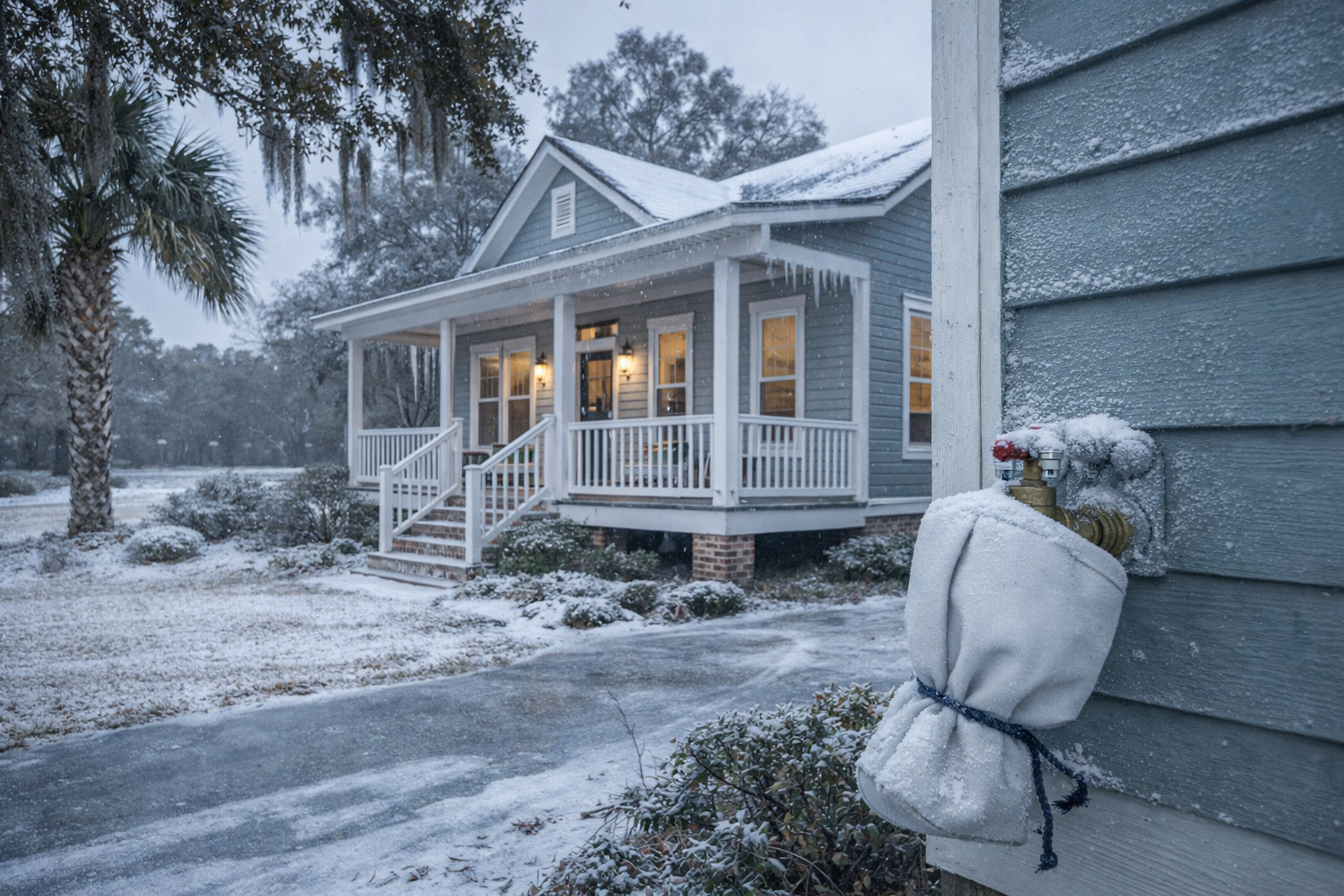
You want to keep your home and car safe as Winter Storm Fern approaches this weekend. According to Weather.com, freezing temperatures, snow, and ice may impact parts of Georgia — including the Atlanta area — and colder conditions could reach into northern South Carolina.
Even if your area sees lighter impacts, freezing temperatures alone can lead to burst pipes, water damage, power outages, and dangerous driving conditions.
Here’s what you should do now to reduce risk, prevent damage, and avoid costly insurance claims.
Put insulation on pipes that you can see, especially in attics and crawlspaces.
Take off outdoor hoses.
Let faucets drip so they do not freeze.
Look at your roof and gutters for leaks or damage.
Water damage often starts with frozen pipes, leaking appliances, or ice dams. If you notice signs of water damage, contacting a qualified local water damage restoration professional quickly can help stop further damage and reduce long-term issues like mold.
Key Takeaways
Insulate exposed pipes in attics, crawlspaces, and other unheated areas to help prevent freezing and burst pipes.
Let faucets drip during cold snaps to keep water moving and reduce pressure inside pipes.
Prepare your home ahead of the storm by cleaning out gutters and checking your roof for leaks or weak spots.
Document your property before the storm by taking photos and videos, which can be helpful if you need to file an insurance claim.
Review your insurance coverage now so you understand what’s protected and what to do if winter damage occurs.
Winter Storm This Weekend: Risks and Regional Impact
What to Expect from Winter Storm Fern
Weather conditions may change quickly this weekend as Winter Storm Fern moves through the region. According to Weather.com, freezing temperatures, snow, and ice are possible, particularly in parts of Georgia and areas north of South Carolina. These conditions can create slick roads, hazardous travel, and an increased risk of power outages if ice accumulates on trees and power lines.
The NOAA Weather Prediction Center has warned that ice accumulation in parts of the South could lead to dangerous travel conditions, downed trees, and power disruptions in some areas. Even brief periods of freezing weather can cause disruptions and property damage, especially where homes and infrastructure are not used to prolonged cold.
To prepare, keep flashlights, extra batteries, and warm blankets easily accessible. Charge phones and backup power devices ahead of time, and make sure pets stay indoors and protected from the cold.
Local Risks for Georgia and South Carolina
If you live in Georgia, especially in or around the Atlanta area, the risk of snow and ice is higher during this storm. Freezing temperatures can cause pipes to freeze and burst, leading to significant water damage. Ice accumulation can also weigh down roofs and gutters, while falling branches may block driveways or damage property.
In South Carolina, snowfall may be more limited, but even short periods of freezing temperatures can still cause pipes to fail—particularly in unheated areas like attics, crawlspaces, and garages. Homes in the Southeast are often less equipped for prolonged cold, which can increase the risk of damage when temperatures drop.
Be alert for common winter-related issues such as:
Frozen pipes in unheated or exposed areas
Water leaks caused by ice buildup
Power outages from downed trees or limbs
Slippery sidewalks, steps, and driveways
Increased risk of auto accidents on icy roads
This storm isn’t just about snow totals — it’s about protecting your home and vehicle from cold-weather risks that can lead to costly damage. Preparing ahead of time and knowing what to watch for can make a meaningful difference.
Homes in the Southeast are often not built for extended periods of freezing temperatures. Many houses have plumbing in exterior walls, attics, or crawlspaces with minimal insulation, which can increase the risk of frozen and burst pipes when temperatures drop quickly. Even short cold snaps can cause damage in areas that don’t regularly experience winter weather.
Why Pipes Burst in Winter
How Freezing Temperatures Cause Damage
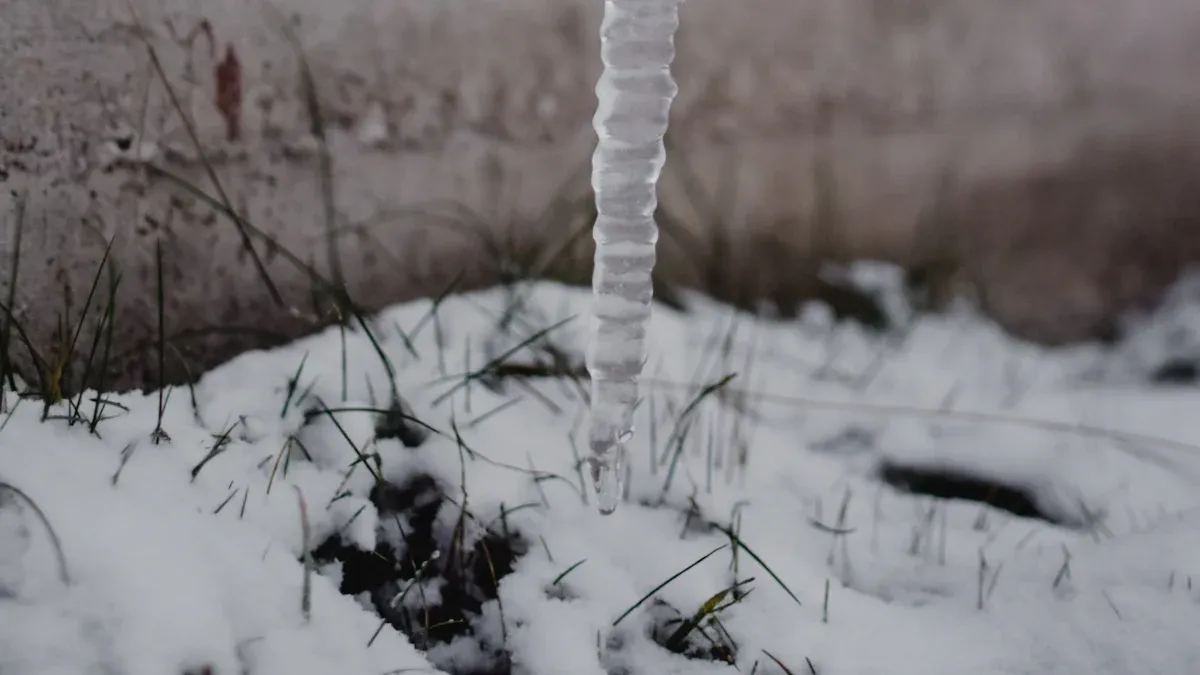
You might wonder why pipes fail during cold weather. When water freezes inside a pipe, it expands by roughly 9%, creating pressure against the pipe walls. As ice forms and blocks the flow of water, pressure builds between the ice blockage and closed faucets. Pipes are most likely to crack or burst at weak points such as joints, bends, or older sections of plumbing.
This problem is most common when water isn’t moving and temperatures drop quickly — especially in unheated areas like attics, crawlspaces, garages, or exterior walls. When a pipe bursts, water can escape rapidly and cause extensive damage before it’s discovered.
Tip: Letting faucets drip, opening cabinet doors to allow warm air to circulate, and insulating exposed pipes can significantly reduce the risk of freezing.
Common Insurance Claims During Winter Storms
Winter storms often lead to a spike in insurance claims related to water damage and freezing conditions. Burst pipes, slow leaks after a thaw, and ice-related damage are among the most frequent issues homeowners face during cold weather events.
Common winter storm–related claims in the Southeast include:
Damage from frozen or burst pipes
Water damage from leaks after pipes thaw
Roof and gutter issues caused by ice buildup
Power outages that lead to frozen plumbing
Auto accidents on icy or slick roads
Severe cold events can be especially costly. Past winter weather systems have caused billions of dollars in property damage nationwide, and even short freezes in Georgia and South Carolina can result in expensive repairs when homes aren’t built for prolonged cold.
Note: Insurance can help with sudden, accidental damage, but taking steps to prevent problems before they start is often the most effective way to reduce stress, disruption, and out-of-pocket costs.
Insurance Advisor’s Approach to Prevention
Focus on Avoiding Claims
Preparing before a winter storm arrives is one of the most effective ways to reduce damage and avoid unnecessary insurance claims. From an insurance advisor’s perspective, prevention almost always costs less — and causes far less disruption — than repairs after the fact.
Many winter-related claims can be avoided with a few proactive steps taken ahead of freezing temperatures. Focus on the areas most vulnerable to cold, ice, and wind:
Home and Property Preparation
Clean out gutters and downspouts to prevent ice dams and water backup
Consider gutter guards to help keep debris out
Inspect your roof for loose shingles or existing damage before the storm
Insulate your attic and unheated spaces to help protect pipes
Trim weak or overhanging tree branches that could fall under ice or snow
Secure outdoor furniture, decorations, and loose items
Safety and Accessibility
Shovel walkways and driveways early and apply salt or ice melt to reduce slip hazards
Park vehicles away from large trees when possible
Use roof rakes carefully to remove heavy snow buildup after storms
Fire and Electrical Safety
Use space heaters and cooking appliances carefully and never leave them unattended
Check holiday lights and extension cords, and avoid overloading outlets
Taking these steps helps lower the risk of property damage, injuries, and insurance claims — and keeps your home safer and more comfortable during winter weather.
Claim Readiness and Documentation
If you need to file an insurance claim after a winter storm, good documentation can make the process much smoother. Preparing ahead of time — before damage occurs — helps protect you and can significantly speed up recovery if a claim becomes necessary.
Before the storm arrives, take photos and videos of your home, vehicles, and valuable belongings. Store receipts, maintenance records, and important documents in a safe place, ideally in a digital folder that’s easy to access if you need it quickly.
For clients of GSP Insurance Group, this process is even easier using our Agency App, which allows you to inventory and document your belongings digitally. Having photos, videos, and item details stored in one place can be invaluable at claim time and helps ensure nothing is overlooked if damage occurs.
Below is a simple guide to help you stay claim-ready:
Documentation Method | Description |
|---|---|
Timely Filing | Report damage as soon as it’s discovered to avoid delays. |
Comprehensive Documentation | Collect photos, videos, and maintenance records related to the damage. |
Professional Inspections | Have qualified contractors inspect damage when appropriate. |
Clear, Time-Stamped Photos | Take photos from multiple angles before cleanup or repairs begin. |
Video Walkthroughs | Record a walkthrough showing the full extent of the damage. |
Keep Receipts and Records | Save receipts for temporary repairs, materials, and damaged items. |
Organized Digital Documentation | Store everything in one digital folder for easy sharing. |
Consult Professionals as Needed | Work with licensed contractors or restoration professionals when appropriate. |
Tip: Take photos of your home and vehicles before the storm. Having a record of their pre-storm condition can be extremely helpful if you need to file a claim later.
Our goal is to help you minimize losses, not just react after damage occurs. If you have questions about preparing, documenting damage, or navigating a claim, reach out before or after the storm — we’re here to help guide you through it.
Before the Storm: Home Preparation
Getting ahead of a winter storm can make a significant difference. A few proactive steps taken now can help prevent costly repairs, reduce the risk of insurance claims, and keep your home safer if temperatures drop.
Focus on preparing the most vulnerable areas of your home before the storm arrives.
Checklist for Home Preparation
Disconnect, drain, and store outdoor hoses to prevent frozen lines and damaged faucets
Insulate pipes in unheated areas such as attics, crawlspaces, and garages using foam sleeves or fiberglass wraps
Seal air leaks around windows, doors, and foundation cracks with caulk or spray foam
Protect outdoor faucets with insulated covers or freeze-protection devices
Let faucets drip slightly during freezing temperatures to keep water moving
Open cabinet doors under sinks so warm air can circulate around plumbing
Keep your thermostat set above 55°F to maintain consistent heat
Clean gutters and downspouts to prevent ice dams and water backup
Install gutter guards if available to help keep drainage clear
Close garage doors to keep cold air away from water lines
Inspect your roof for loose shingles or existing leaks and address issues before snow or ice arrives
Why this matters:
Prevention is far less expensive than repairs. Burst pipe repairs can range from $200–$3,000, water damage restoration often runs $1,200–$5,000, and major insurance claims can exceed $10,000. A little preparation now can save significant time, stress, and money later.
Type of Cost | Typical Range |
|---|---|
Repairing Burst Pipes | $200–$3,000 |
Water Damage Restoration | $1,200–$5,000 |
Major Insurance Claims | Often exceeds $10,000 |
During the Storm: Immediate Actions
Once the storm is underway, staying alert and maintaining stable conditions inside your home can help reduce damage.
Checklist for Immediate Actions
Keep faucets dripping, especially those on exterior walls
Maintain a consistent indoor temperature of at least 55°F
Add temporary insulation or heat tape to exposed pipes if needed
Keep garage doors closed to limit cold air exposure
Make sure vents and chimneys remain clear of snow and ice
Watch for warning signs of freezing pipes, such as reduced water flow or unusual noises
Avoid driving unless necessary, as roads may be icy and hazardous
Note: If power is lost, wrap exposed pipes with towels or blankets to help retain warmth. If a pipe begins to freeze, gently warm it with a hair dryer. Never use open flames or heating devices near water.
After the Storm: Inspection and Recovery
After the storm passes, a prompt inspection can help catch issues early and prevent further damage. Acting quickly also helps streamline the insurance claims process if damage is discovered.
Checklist for Inspection and Recovery
Put safety first by watching for downed power lines or unstable structures
Secure damaged areas, such as broken windows or doors, to prevent further exposure
Inspect your home for roof leaks, broken shingles, or visible water damage
Check for burst pipes or leaks by listening for running water and looking for puddles
Look for early signs of water damage or mold, including stains, odors, or warped materials
Remove moisture as quickly as possible using fans, towels, or a wet/dry vacuum
Take photos and videos of all damage before cleanup or repairs
Contact your insurance advisor promptly if damage is found
Callout: Acting quickly after a winter storm can help stop mold growth, limit additional damage, and make the claims process smoother.
Most winter storm issues can be prevented or minimized with simple preparation and fast follow-up. If you have questions or need guidance before or after the storm, reach out to your insurance advisor — preparation truly pays off.
What to Do If Pipes Freeze or Burst
Emergency Steps to Minimize Damage
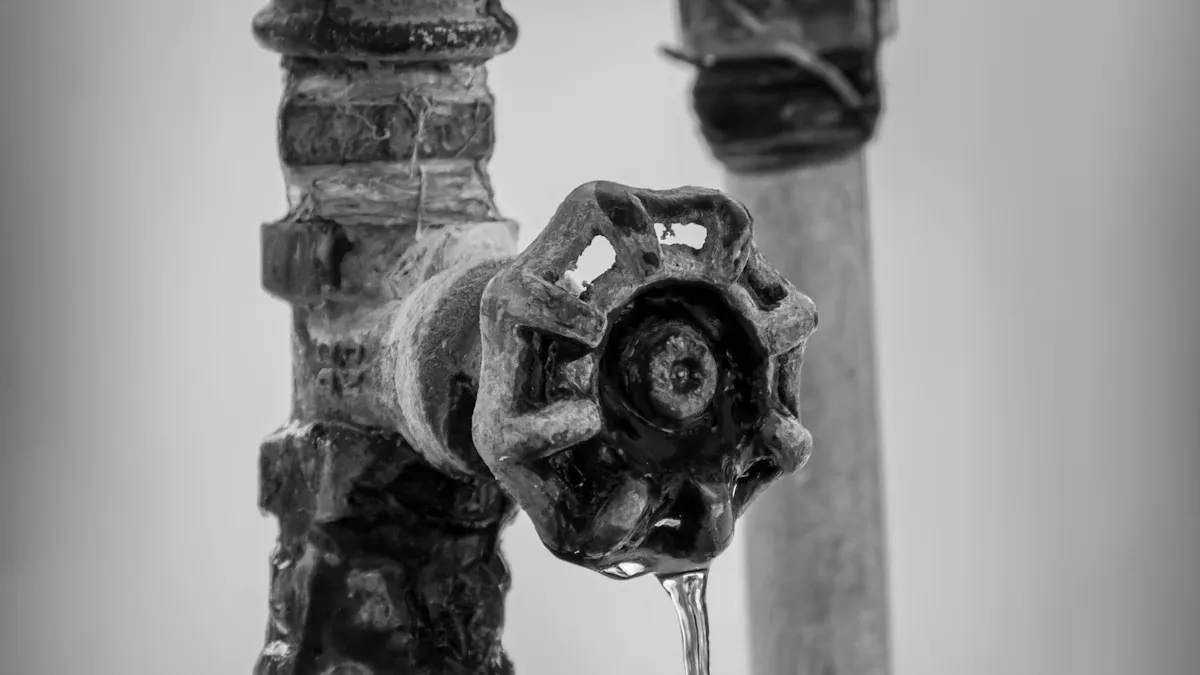
If you suspect a pipe has frozen or burst, acting quickly can significantly reduce water damage and help prevent a complicated insurance claim.
Follow these steps as soon as you notice a problem:
Shut off your home’s main water supply immediately to stop additional flooding
Open faucets connected to the affected pipe to relieve pressure
Apply gentle heat to frozen pipes using a hair dryer on low or warm towels
Thaw pipes slowly and watch closely for leaks, bulges, or dripping water
Inspect surrounding areas for moisture, puddles, or water stains once thawed
Tip: Fast action can save thousands of dollars in repairs and help limit long-term damage.
Shutting Off Water and Power Safely
Knowing how to shut off utilities ahead of time is critical during a plumbing emergency.
Locate your home’s main water shutoff valve and turn it clockwise until fully closed
Make sure everyone in your household knows where the shutoff valve is located
If water has reached electrical outlets, appliances, or wiring, turn off power to affected areas at your electrical panel
Never touch electrical switches or devices while standing in water
Safety always comes first when dealing with water and electricity.
Contacting Professionals and Your Insurance Advisor
Once the immediate situation is under control, reach out for help promptly:
Contact a licensed plumber or qualified water damage restoration professional to repair the pipe and begin drying affected areas
Take clear photos and videos of all damage, including wide shots and close-ups
Record a short video walkthrough describing what happened and when the damage was discovered
Notify your insurance advisor as soon as possible and share your documentation
Early communication helps speed up repairs and protects your home from further damage. We’re here to help guide you through each step, from prevention to recovery.
Minimizing Damage and Preventing Further Loss After a Winter Storm
Identifying and Stopping Leaks
After a winter storm, inspect your home carefully. Water can enter through burst pipes, damaged roofs, or clogged gutters, often without immediate signs.
Look for water stains on ceilings, walls, and around windows
Check under sinks, near appliances, and along exposed plumbing
Inspect your attic for moisture trails or wet insulation
Examine your roof for missing shingles, cracks, or ice buildup
Use temporary measures like roofing tape or sealant to stop active leaks
Keep gutters and downspouts clear to direct water away from the home
The sooner leaks are addressed, the less damage you’ll need to repair.
Preventing Mold and Further Damage
Mold can begin developing within 24–48 hours after water intrusion. Taking immediate drying steps is essential.
Dry wet areas quickly using fans, towels, or dehumidifiers
Remove soaked rugs, furniture, or fabrics from affected spaces
Maintain indoor humidity between 30%–50%
Wipe away condensation on windows and walls
Repair leaks promptly and use mold-resistant materials where possible
Monitor repaired areas closely for signs of recurring moisture
Tip: Always photograph damage before cleanup begins to support your insurance claim.
Why Fast Action Matters for Insurance Claims
Insurance policies generally require homeowners to take reasonable steps to prevent additional damage after a loss. Delays in stopping water or drying affected areas can make damage worse and complicate the claims process.
To protect your claim:
Make temporary repairs to stop ongoing damage (such as tarping roofs or covering openings)
Save receipts for materials, labor, and temporary fixes
Avoid permanent repairs until your insurance adjuster has inspected the damage
Document everything with clear photos and videos
Most homeowners insurance policies typically cover sudden, accidental water damage from burst pipes, falling ice, or snow-related roof damage, subject to policy terms and deductibles. Flooding from long-term leaks or rising water is generally excluded.
Taking quick, documented action protects your home and helps ensure a smoother claims process. If you’re unsure what to do at any point, reach out to your insurance advisor for guidance.
Auto Risks: Driving and Accidents in Winter Storms
Safe Driving Tips for Icy Roads
Winter roads in Georgia and South Carolina can be unpredictable. Icy patches, freezing rain, and occasional snow can make driving especially dangerous — particularly in areas that don’t experience winter weather often.
Use these tips to reduce risk if you must be on the road:
Prepare your vehicle before driving by checking tires, brakes, windshield wipers, and washer fluid
Drive slower than normal and increase following distance
Avoid sudden acceleration, sharp turns, or hard braking
Never use cruise control on icy or snow-covered roads
Approach hills cautiously and allow vehicles ahead of you to clear the slope
Watch for black ice, especially on bridges, overpasses, and shaded areas
If conditions worsen, pull over safely and wait until it’s safe to continue
Even short trips can become dangerous when temperatures drop and roads freeze. Take your time and avoid unnecessary travel when possible.
What to Do After a Winter Weather Auto Accident
If you’re involved in an accident during winter conditions, stay calm and focus on safety first.
Check for injuries and call 911 if anyone is hurt
If vehicles are drivable, move them out of traffic and turn on hazard lights
Exchange contact and insurance information with the other driver
Take photos of the vehicles, damage, road conditions, and surroundings
Seek medical attention, even if injuries don’t seem serious at first
Tip: Document everything. Photos and notes taken at the scene can be very helpful when filing an insurance claim.
Insurance Considerations for Auto Claims
Winter weather accidents can lead to expensive repairs. Understanding your auto insurance coverage ahead of time can help avoid surprises.
Coverage Type | What It Typically Covers |
|---|---|
Liability Insurance | Damage or injuries to others if you’re at fault |
Collision Coverage | Repairs to your vehicle after an accident, regardless of fault |
Comprehensive Coverage | Non-collision damage, such as falling ice, tree limbs, or debris |
Comprehensive coverage typically applies to damage caused by ice, snow, or falling objects. Collision coverage applies if you slide on ice and hit another vehicle or object. Without collision coverage, repairs to your own vehicle are generally out of pocket.
Not sure what your policy includes? Reach out to your insurance advisor before or after the storm to review your coverage and make sure you’re prepared.
Reviewing Your Insurance Coverage
Home and Auto Policy Essentials
Before winter weather arrives, it’s important to understand what your insurance policies actually cover. Taking a few minutes to review your home and auto coverage now can help prevent confusion and delays if damage occurs.
Start with the basics:
Does your homeowners policy cover sudden water damage from burst pipes?
Does it include coverage for roof damage caused by ice, snow, or falling limbs?
Do you have Additional Living Expenses (ALE) coverage if your home becomes temporarily uninhabitable?
For your vehicle, do you carry comprehensive and collision coverage to protect against winter-related damage or accidents?
Here’s a quick reference to guide your review:
Policy Type | What to Check For |
|---|---|
Homeowners | Water damage, roof repairs, ALE* |
Auto | Collision and comprehensive coverage |
*ALE = Additional Living Expenses
Tip: Write down your policy numbers and your insurance advisor’s contact information and keep them easily accessible in case you need to file a claim.
When to Contact Your Insurance Advisor
You don’t need to wait until something goes wrong to reach out. Your insurance advisor can help you prepare before the storm or guide you through next steps if damage occurs.
Contact your advisor if:
You notice water damage, burst pipes, or roof leaks
Your vehicle is damaged by ice, debris, or a winter-related accident
You need help filing a claim or understanding what your policy covers
You want to review or adjust coverage before winter weather arrives
Starting the conversation early can make recovery faster and help avoid surprises during a stressful time.
Final Preparation Reminder
Winter preparedness isn’t just about insurance — it’s about being ready. Gather essentials like blankets, food, and water. Charge phones and backup devices. Protect exposed pipes, dress appropriately for cold weather, and keep an emergency kit in your vehicle.
Having the right coverage in place is part of that preparation. If you have questions or want to review your policies, reach out before or after the storm — we’re here to help protect your home, your car, and your peace of mind.
FAQ
What should I do if my pipes freeze but haven’t burst?
Turn the faucet on slightly to allow water to drip and relieve pressure. Gently warm the frozen section using a hair dryer on a low setting or warm towels. Never use an open flame. If you’re unable to restore water flow or aren’t sure where the freeze is, contact a licensed plumber for assistance.
Does my homeowners insurance cover water damage from burst pipes?
Most homeowners insurance policies typically cover sudden and accidental water damage caused by burst pipes, subject to policy terms and conditions. Coverage can vary, so it’s important to review your policy or speak with your insurance advisor. Be sure to take photos of any damage and keep receipts for repairs or temporary fixes.
How can I prevent my car from being damaged during a winter storm?
Whenever possible, park your vehicle in a garage or away from trees and overhead hazards. Clear snow and ice from windows, mirrors, and lights before driving. Keep an emergency kit in your car, drive slowly, and avoid icy roads when conditions are unsafe.
What should I do if I lose power during the storm?
Keep doors closed to retain heat and use blankets and layers to stay warm. Charge phones and backup devices ahead of time. If you use a generator, operate it outdoors and away from windows or doors. Report outages to your power company and monitor local updates.
When should I contact my insurance advisor?
Reach out to your insurance advisor if you experience damage, need to file a claim, or have questions about your coverage. You can also contact your advisor before a storm to review your policy and make sure you’re prepared — a quick conversation can help prevent surprises later.